
Inside the Rayleway App Design Lab
Rayleway Digital is an independent application studio. That independence lets us begin with a real problem instead of a fashionable feature list. Each product has a different purpose, but the method is consistent: understand the work, make the first useful action obvious, test with real people, and document what changes.
Explore the product suite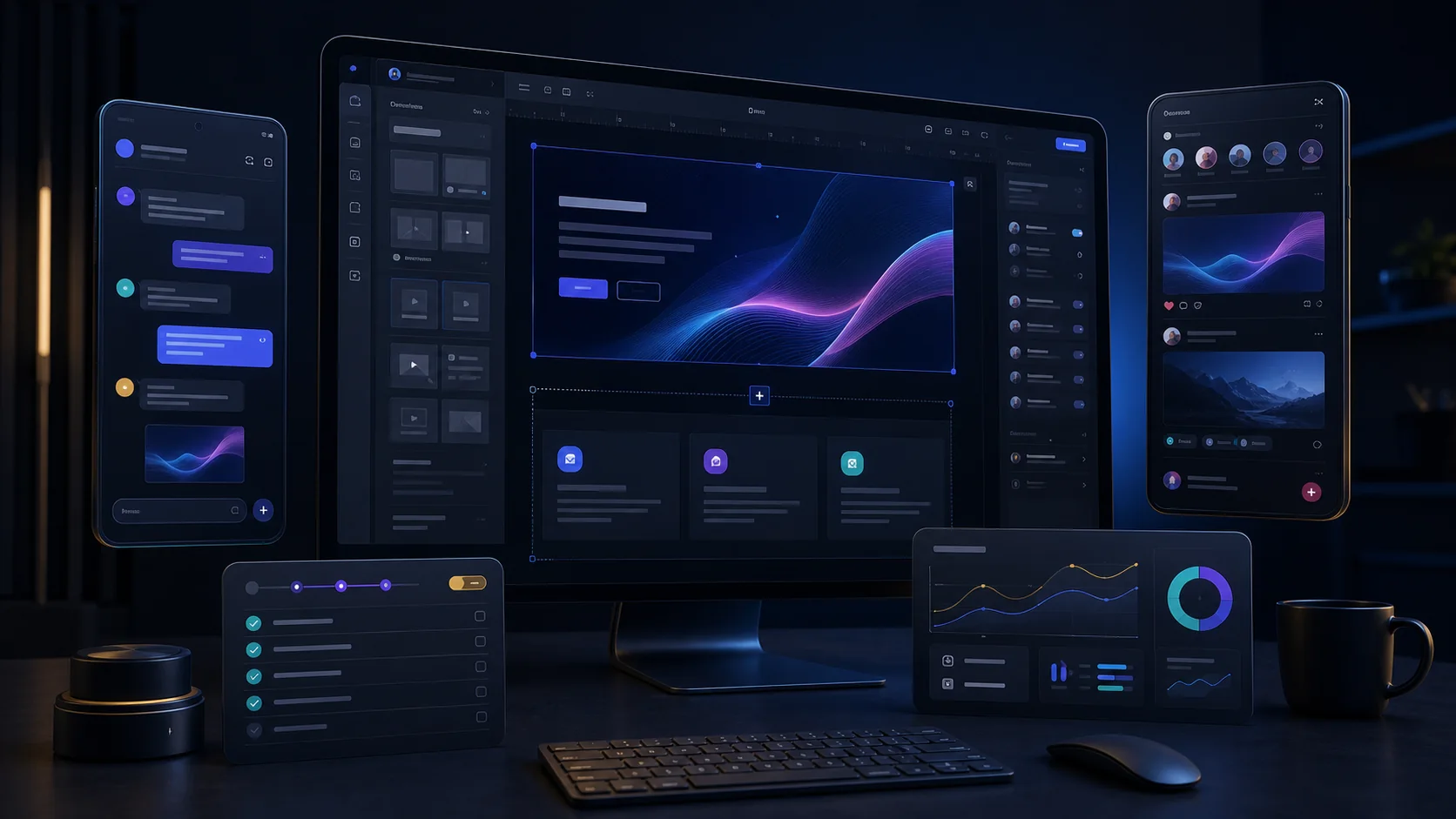
Start with friction, not decoration
A location game, a point-of-sale system, and a website builder should not feel identical. They do share one design question: what is stopping the user from completing the next meaningful action? For Travelers, that might be understanding a map marker or recovering from denied location permission. For The Point, it might be completing a first sale without learning accounting terminology. For Template Forge, it might be knowing what to write before choosing colors.
We map those moments before polishing the interface. The result is a smaller first-run path with a visible outcome. Advanced controls can remain available, but they should not interrupt someone who simply wants to explore a nearby location, check out an item, count inventory, or publish a clear page.
Design the first useful session
Every Rayleway product is moving toward contextual guidance activated by a question-mark button. A walkthrough should explain the screen the user is actually viewing, remember completed steps, and allow a person to leave without losing progress. Guidance is optional in public products so experienced users can work quickly, while the private Jarshey companion keeps a more conversational orientation.
Good onboarding also includes failure states. If a camera, GPS signal, CSV import, payment device, or network connection is unavailable, the interface should say what happened and what remains safe to do. A blank panel or endless spinner teaches nothing and undermines trust.
Separate concepts from shipped behavior
The images in this guide library are original concept previews created to explain product direction. They are not promises that every control shown is available today. Product pages describe current access, beta labels identify testing software, and the release history records changes by version. This separation gives visitors something concrete to understand without turning an idea into a misleading claim.
The same rule applies to automation and artificial intelligence. We describe the task, the approval boundary, the information being used, and what happens when a provider is unavailable. Automation should reduce repetitive work while leaving consequential actions understandable and reviewable.
Improve through evidence
Tester comments are converted into specific product questions: Where did the person hesitate? Which label created the wrong expectation? Did the workflow recover after an interruption? Could the same task be completed on a phone? Those observations become small, testable releases instead of a permanent redesign cycle.
Rayleway publishes a release record because change is part of the product. A visible history helps customers distinguish active development from abandoned software and helps us remain accountable for what we say we improved.
Useful answers before you begin.
Are all Rayleway products finished?
No. Products are labeled by their current state, including field test, demo ready, beta, guided builder, or private MVP. The label and release history are the reliable sources for current availability.
Are the images actual screenshots?
They are original concept previews used to communicate direction. They are deliberately captioned as concepts and should not be read as a guarantee of a particular screen or feature.
How does feedback influence a release?
Feedback is grouped around observable friction, safety, reliability, and clarity. Small changes are tested first and recorded when they become part of a release.